Rua José Tanoeiro, 51 - Suzano - SP

My Premier Big Win at 29Black Casino Experience from Canada

A Toronto player landed at 29Black Casino after weeks of digging through forums, attracted by talk of efficient Canadian service https://29blackscasino.com/. Registration took less than three minutes, and the sleek interface ran smoothly on a typical home connection. The welcome bonus terms were laid out plainly: a first deposit of fifty Canadian dollars triggered a one hundred percent match, doubling the bankroll on the spot. Verification adhered to standard Know Your Customer steps, with documents processed in hours, not days. That speed suggested the platform cared about convenience without sacrificing on security, and it established a positive tone for the sessions ahead.
Signing Up from Canada
The onboarding felt tailored for the Canadian market. Interac transfers completed immediately, and the site identified my time zone automatically, tailoring promotional timers and tournament schedules. The Know Your Customer verification asked for a provincial driver’s licence and a recent utility bill; full account activation followed within four hours. Email messages were received in clear English with no translation issues, and my first support inquiry about withdrawal thresholds was handled through live chat in under two minutes. The terms and conditions page included specific citations to provincial regulations, and the privacy policy detailed data handling that complied with Canadian standards. This attention to localized detail built immediate trust, transforming what’s often a friction-filled step into a smooth, confidence-building introduction.
Early Thoughts and Opening Deposit
The account creation required only essential personal details and a strong password. No secret areas, no confusing upsells. When the account became active, the cashier presented Interac as the principal deposit method, a method all Canadians using RBC, TD, or Scotiabank knows immediately. The currency selector defaulted to Canadian dollars, so I didn’t need to perform mental math. The welcome bonus arrived by itself after the initial deposit, and the wagering requirements sat in plain language on the promotions page. A quick live chat question about deposit limits yielded a response in under three minutes, which confirmed the impression of attentive support. I recognized the platform’s terms mentioned Canadian provincial regulations, showing legal awareness rather than a generic international approach. That localized care distinguished 29Black from competitors that handle Canada like an afterthought.
The Turning Point Session
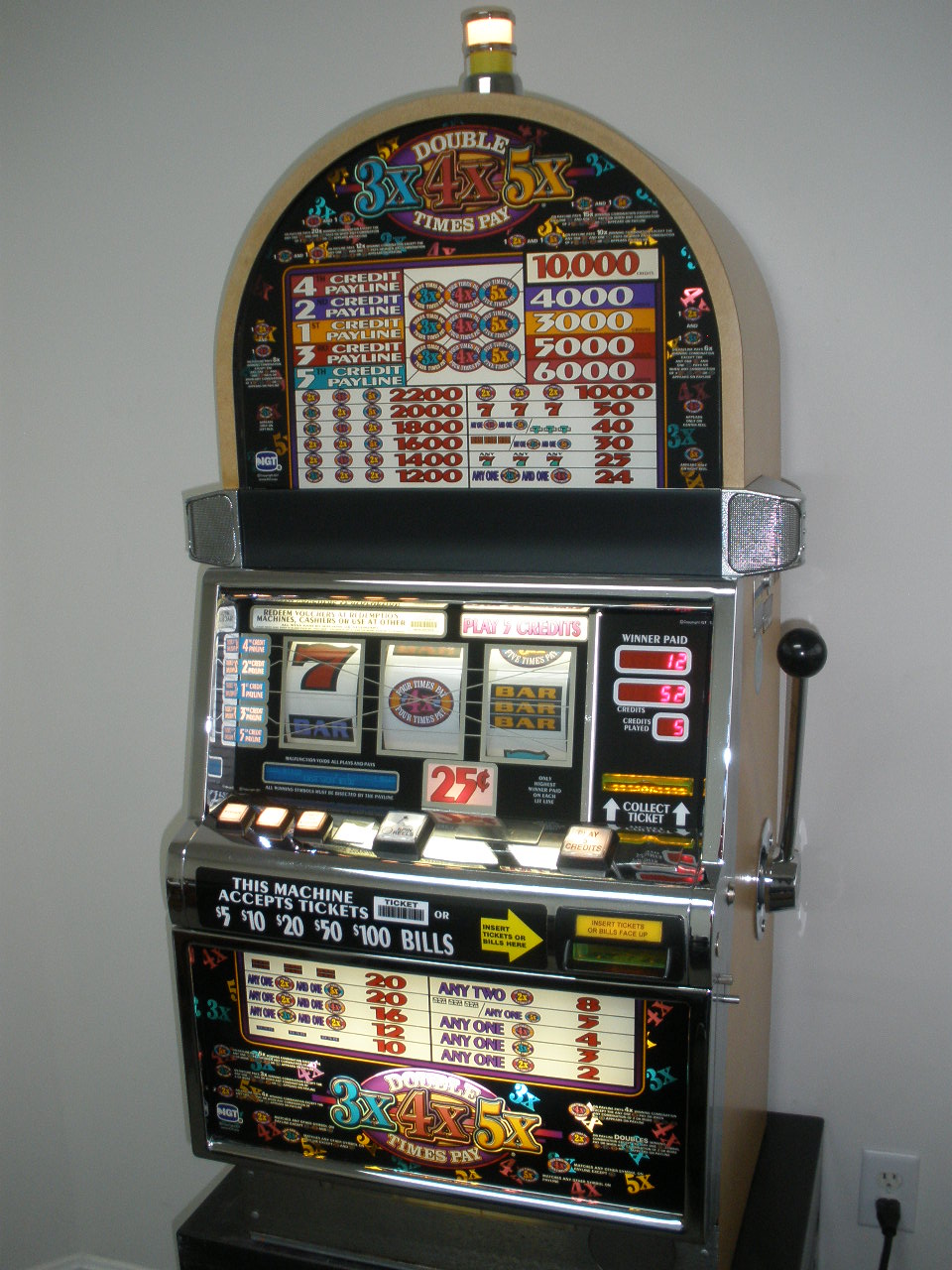
A Friday evening session transformed within 37 minutes. I chose a progressive jackpot slot with a 5-tier prize structure, drawn in by current jackpot values displayed in Canadian dollars. Initial spins delivered 60-80% of the wager, a pattern matching high volatility. The balance bounced around but never fell below the starting amount, holding my interest without frustration. At 9:14 p.m. Eastern Time, the bonus round started with unmistakable audio-visual fanfare. The screen transformed to a picking game that asked for three symbol selections from a grid of twelve. The first showed a ten-times multiplier, the second revealed the Mini jackpot, and the third delivered the coveted Major jackpot symbol. The final tally displayed a win of 4,200 Canadian dollars from a spin wager of just one dollar and twenty-five cents.
The Jackpot Mechanics Unpacked
Progressive jackpots accumulate a portion of every wager across all players, rising in real time until a single spin activates the payout. The five-tier system contained Mini, Minor, Major, Grand, and Mega levels, with the Major tier usually averaging between 3,500 and 5,000 Canadian dollars at activation. The bonus round selection mechanic assigned prizes pseudo-randomly, governed by a certified Random Number Generator audited by independent laboratories. The presented Return to Player percentage included these jackpot contributions, meaning overall theoretical returns remained competitive even during extended cold streaks. Armed with this knowledge let me understand that the 3,360-fold return was a statistical outlier, not a reproducible strategy, which avoided dangerous misconceptions about forcing similar results.
Payout Processing and Authentication
Real-world concerns replaced excitement the instant the win registered. The withdrawal screen processed a request for 3,800 Canadian dollars, leaving a fraction for future play. Because the amount exceeded 2,000 dollars, the platform demanded identity verification, but the already approved Know Your Customer documents simplified the step to a validation selfie together with government ID. Upload required under a minute. Twenty-two hours later, the status changed to approved and pending processing. Another thirty-six hours passed before the funds showed up in my linked Canadian bank account, a timeline in line with standard Interac processing windows. No fees showed, and the exchange rate was equal to the displayed Canadian dollar amount precisely. A single email informed me of each status change, maintaining things transparent without overdoing the communication.
Responsible Gambling Features and Canada’s Resources
The platform implemented tools adhering to Canadian provincial standards and the Responsible Gambling Council’s principles. Deposit limits could be established daily, weekly, or monthly, with decreases going into effect immediately and increases subjected to a cooling-off period. Session time reminders showed up as non-intrusive notifications after thirty, sixty, and ninety minutes, paired with transparent displays of net position and time elapsed. The self-exclusion function enabled blocking account access for durations from twenty-four hours to permanent closure, with the permanent option requiring additional confirmation steps. Links to Canadian problem gambling resources, including provincial helplines, were located in the footer and within the responsible gaming section. The platform collaborated with GameSense, a program well-known to British Columbia and Alberta residents. Reality check pop-ups showed total wagered amounts alongside win-loss summaries, counteracting the cognitive bias that remembers wins more vividly than losses. A player using these tools stated that transparent lifetime account statistics prompted more realistic self-assessment than competitors that obscured cumulative data.
Contrasting 29Black Casino against Other Canadian Platforms
The favorable experience prompted a comparative analysis against previously used Canadian-facing sites. Three distinct differentiators emerged:
- Interac integration operated more smoothly, with no additional verification steps or processing delays beyond the standard timeline.
- Customer support response times clocked in at under four minutes on live chat, significantly outperforming the fifteen-minute waits typical on other platforms.
- Bonus terms were communicated with clarity, eliminating the annoyance of hidden restrictions discovered only during withdrawal attempts.
A rival operating under a Kahnawake license demanded seventy-two hours for initial withdrawal approval and applied a two percent processing fee on Interac transfers. Another international operator presented balances exclusively in Euros, requiring constant conversion calculations. The Canadian dollar denomination at 29Black eliminated this friction altogether, and mobile optimization prevented the button misalignment and text truncation issues I’ve seen on various competing sites.
Handheld Experience and Accessibility
Testing across various devices showed uniform performance regardless of screen size or operating system. An iPhone 14 accessed the full game library via browser-based HTML5 technology, preserving graphics quality and touch responsiveness without a dedicated app. An aging Android tablet with limited RAM coped with the interface well, with only minor latency during live dealer streams. The mobile layout smartly reorganized navigation, placing the cashier and account settings within thumb range at the screen’s bottom edge. Portrait mode was ideal for slot play, while landscape orientation enhanced table games. Push notification options permitted granular control over promotional alerts and tournament start times. A player journeying on Toronto’s GO Transit noted steady connectivity even during tunnel transitions, with the platform smoothly re-establishing without manual login re-entry. This technical competence pointed to substantial investment in backend infrastructure rather than superficial visual updates.
Community and Interactive Elements
Beyond individual play, 29Black fostered engagement through tournament formats and leaderboard challenges without replicating the stressful atmosphere of live poker rooms. Weekly slot tournaments enabled entry through nominal buy-ins or by accumulating qualifying wagers during regular play. Leaderboards changed in real time, presenting Canadian dollar prize pools that extended from modest five-hundred-dollar distributions to five-figure weekend specials. A player from Calgary noted that the ranking system brought entertainment value beyond raw outcomes, adding strategic considerations around volatility selection during limited-spin rounds. Chat functionality in live dealer games remained moderated, with professional dealers greeting players by username while deflecting inappropriate commentary. This balance between social interaction and a managed environment fit Canadian sensibilities. The platform’s blog posted winner stories and strategy guides, though I kept healthy scepticism toward content that might inadvertently glamorize unsustainable outcomes. External community forums included 29Black discussions characterized by balanced criticism and praise, implying a user base active in honest evaluation rather than promotional enthusiasm or grievance airing.
Browsing the Game Library
The sheer volume of titles appeared overwhelming at first, but smart filters by provider, volatility, and theme swiftly brought order. Slots from NetEnt, Microgaming, and Evolution Gaming led, with refined graphics and stable performance across devices. The search function delivered relevant results even with partial keystrokes, and loading times stayed consistent during peak evening hours. Demo modes enabled me explore unfamiliar titles without risking real funds, a feature that became valuable for complex bonus-buy mechanics. The live dealer lobby aired in high definition from professional studios, with dealers engaging naturally during off-peak North American hours. This combination of variety and accessibility built confidence step by step, turning casual browsing into extended, informed sessions.
Title Selection and Volatility
High-volatility options like Dead or Alive 2 and Reactoonz rested alongside lower-variance classics such as Starburst, each showing Return to Player percentages and maximum win potential. Filtering by volatility allowed me match titles to my risk appetite in seconds. Bonus-buy slots from Pragmatic Play and Play’n GO drew my attention, offering direct entry into free spin features at transparent premium costs. The session began cautiously with fifty-cent spins, gradually increasing as the balance allowed. The autoplay function included customizable loss limits, a responsible gambling feature that stopped me from chasing after rough streaks. I valued this safeguard, seeing it as evidence of a platform that emphasizes long-term customer relationships over short-term extraction.
Impact on Playing Strategy
A substantial early win unavoidably reshapes strategic thinking. I consciously refrained from bumping typical wagers dramatically, acknowledging that the statistical anomaly gave no forecasting insight. Bankroll management principles stayed intact, with session limits established at one hundred Canadian dollars. The win however, expand the scope of trying new things. Once ignored high-stakes table game lobbies became accessible, though bets remained proportional to the increased balance. I tried live dealer blackjack with fifteen-dollar minimums, diversifying the experience beyond slot volatility. The emotional influence appeared most in risk tolerance during bonus-buy sequences; a two-hundred-dollar bonus purchase, previously unthinkable, now constituted a manageable entertainment expense. The platform’s responsible gambling tools enabled me configure deposit limits in line with this new strategy, maintaining guardrails that stopped the win from sparking destructive behaviour.
Insights from a Statistical Anomaly
Extracting meaningful lessons from a random event requires careful reflection. The 4,200-dollar win was the product of timing, game selection, and pure chance that no skill could duplicate. Acknowledging this prevented superstitious rituals or incorrect pattern recognition. I documented the session in a personal gambling journal, highlighting the absence of prior indicators. The most valuable takeaway focused on platform selection: had the win occurred on a less reputable site, withdrawal difficulties might have eroded the payout. 29Black’s infrastructure managed verification and processing effectively, turning a statistical outlier into usable currency without drama. This underscored the importance of researching platform reliability before depositing, a factor often overshadowed by bonus comparisons. I ended up with greater scepticism toward guaranteed-result systems and elevated appreciation for platforms that fulfill operational promises.

© Todos os direitos reservados | Produzido por